
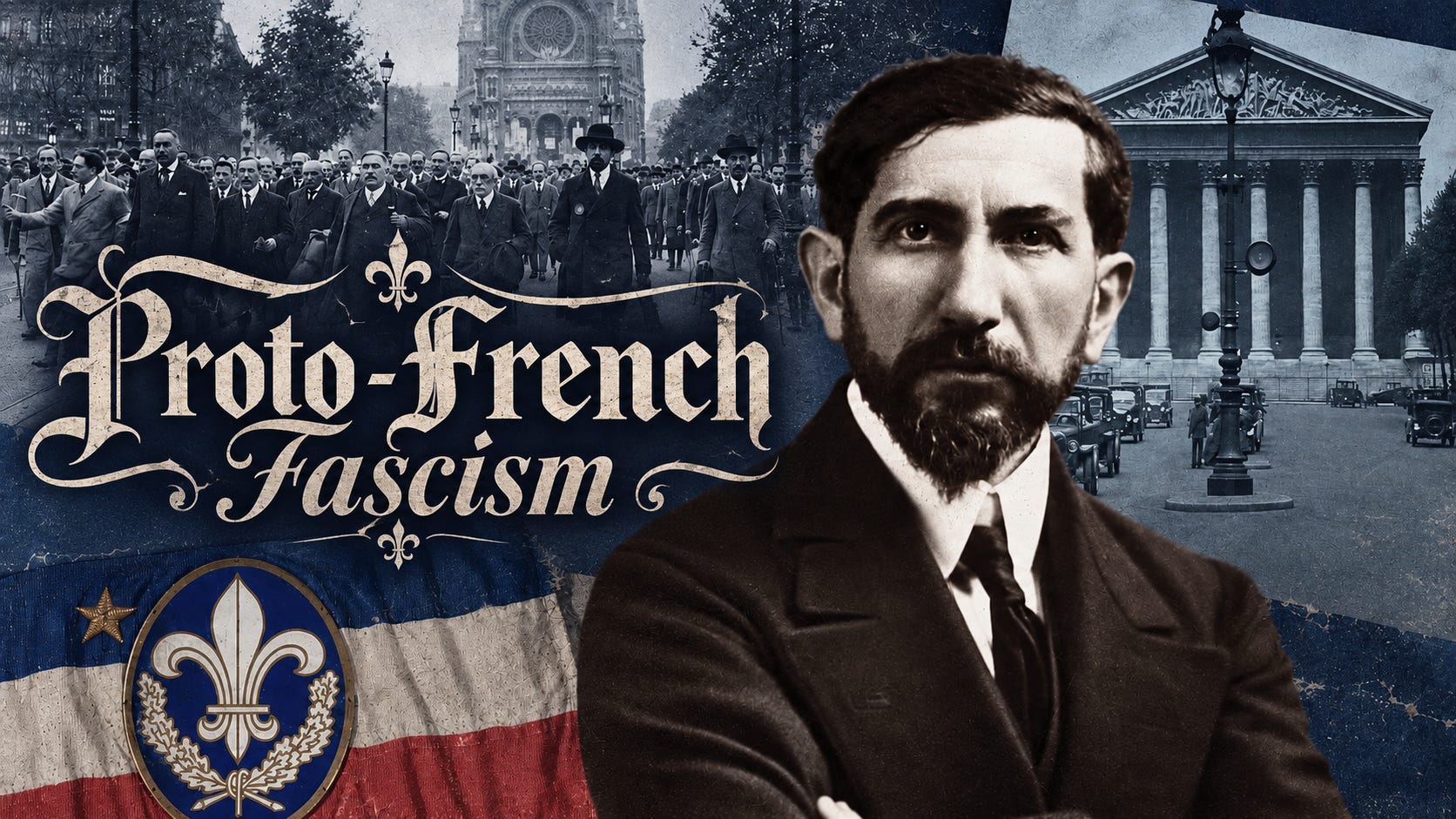
The political environment that would later be manufactured across France was first crafted during the long season of absolute monarchy, when a conservative Christian state still upheld a feudal economy and treated throne and altar as one fabric of order, until liberal critics of that crown organized themselves, seized power, overthrew the king and queen, and installed a representative democracy in their place. That revolution did not stand alone because it belonged to a longer European sequence of proletarian war against capital, a sequence Karl Marx studied in two books devoted to the French case, The Civil War In France and The Class Struggles In France, 1848–1850, works that treated later French conflicts as the overflow of pent-up rage against bourgeois statism. France first grew sick of conservative monarchy and then grew sick of the capitalist liberalism that replaced it, and the Paris Commune briefly gave that sickness a geography when anarchists and libertarian socialists held…
