
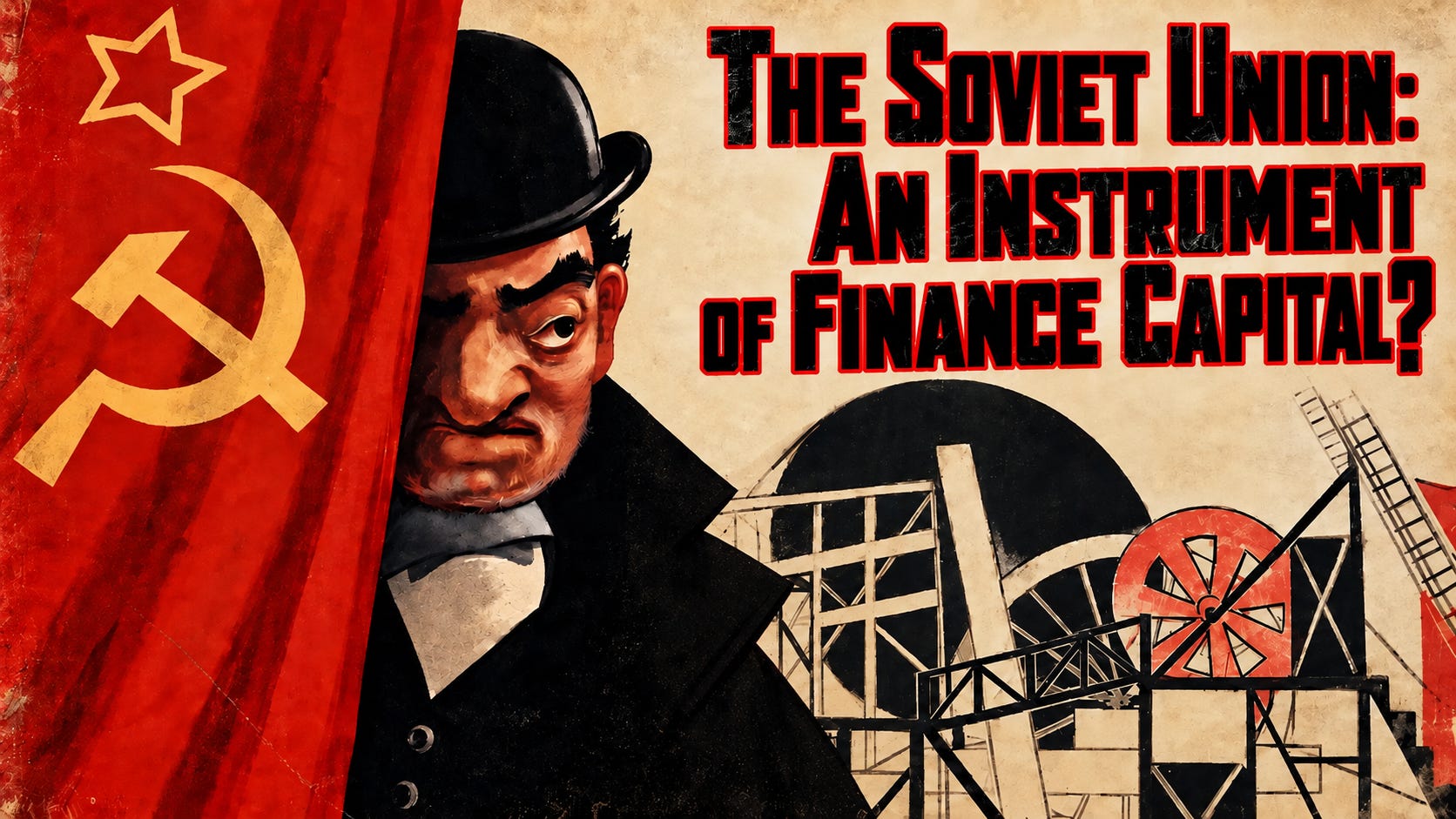
History remembers revolutions through the images they leave behind, through crowds compressed into public squares beneath banners, soldiers turning their rifles upon officers, ministers disappearing through side doors, palaces entered in the middle of the night, and governments apparently dissolving in a matter of hours, yet none of these spectacles by themselves can explain how a revolutionary movement passes from agitation into organized power, because beneath the visible drama there exists a quieter machinery of newspapers, printing presses, couriers, clandestine apartments, forged papers, transportation, salaries, weapons, food, intelligence networks, and eventually the vastly greater expense of maintaining ministries, armies, police forces, and an administrative state. A political organization incapable of financing those things may possess a doctrine, a devoted membership, and even a considerable audience, but it remains something closer to an opposition or a reading circle than…
